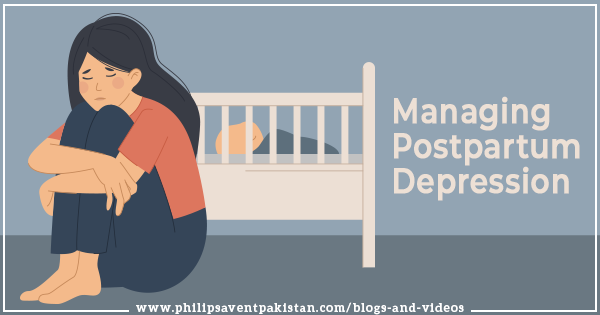
Words cannot do justice to the bliss of having a little angel in your life. Those small hands and feet enrich motherhood with endless joys and cheerful moments but also require round the clock demand routine for managing the baby. It is very common for a mother’s health to take a toll due to childbirth exhaustion, hormonal changes and sleep regression. This all leads to postpartum depression.
Postpartum depression can be defined as a serious mental condition that negatively impacts the physical and emotional health of a mother after childbirth. A persistent feeling of anxiety, emptiness, sadness and weeping spells can develop a feeling of lack of connection between the mother and the child. Mothers having a support system can cope with these baby blues within a week or two after delivery. But if the mood plunge continues it is important to seek medical help.
The common symptoms of Postpartum Depression are:
• Low self-esteem, constant gloominess and sadness
• Loss of appetite
• Headaches and body aches
• Feeling petulant or irritable
• Episodes of crying without any reason
• Lack of concentration and forgetfulness causing continuous indecisiveness
• The guilt of being unable to bond with the baby
• Tiredness and thoughts about self-harm
Psychiatrists believe that a dive in the hormones post-birth causes these depressive symptoms in susceptible women. Therefore it is important for any new mom experiencing such signs to seek counselling. Motherhood is a tedious job and there is no shame in accepting the struggle and pursuing assistance. There are lots of self-care plans, therapies and medications available to heal the issue.
Communicate with a therapist or doctor about these unceasing negative feelings, if the condition is serious doctors may advise antidepressants that are safe during lactation. Prioritize sleep and discuss with your partner about sharing responsibilities. Remember postpartum depression isn’t indicative of your motherhood capability but is an inevitable disorder that can easily go away if addressed promptly and aptly. A happy mother raises a happy child.